




- Published on: 2026-11-05 18:30:56
How to Build a Trading Mindset and Control Risk
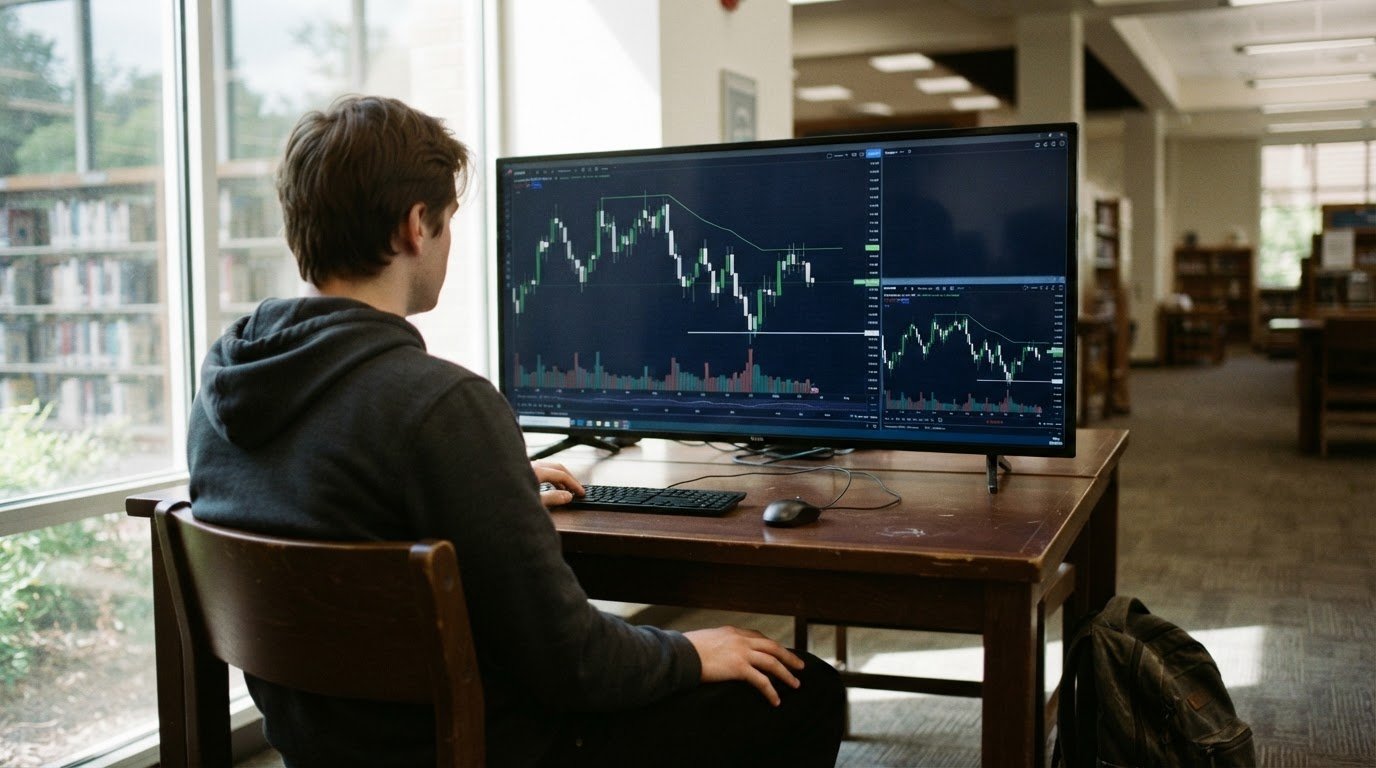
Discipline in trading is key to patience: decide your entry, exit, and risk limits before placing a trade, then follow that plan instead of reacting to every market move. For forex, a common guideline is to risk no more than 1-2% of your capital on a single position. This won’t prevent losses, but it can help keep one trade from dictating your next decision.
It’s tempting to chase quick profits or close a position early when fear takes over. A steadier approach is to wait for your setup, accept that losses are part of trading, and judge decisions by your plan rather than by one result.
Learn how patience and mindset support consistent decisions, how to set risk limits and assess potential reward, and how stop-loss and trailing-stop orders can help manage trades. You’ll also see how reviewing a trading journal can reveal patterns and sharpen your approach over time.
Key Takeaways
- Build patience by waiting for a clear setup instead of chasing market moves or reacting to short-term noise.
- Use a written trading plan to define entries, exits, position sizes, and the conditions that would change your approach.
- Assess potential losses before entering a trade, and choose risk limits that help protect your capital across a series of outcomes.
- Understand how stop-loss and trailing-stop orders can support your plan while markets move quickly.
- Review your trades to spot emotional decisions and patterns you can improve in future sessions.
1. What is Trading Discipline?
Trading discipline means following a defined process when market moves trigger fear, excitement, or impatience. It matters because a plan-based decision gives each trade clear entry, exit, and risk boundaries. Discipline in trading is key because an emotional impulse can replace analysis with reaction.
Emotional control doesn’t mean feeling nothing. It means noticing an emotion, pausing, and deciding whether the trade still meets your rules. For example, if a sudden price spike creates urgency, wait for your planned signal instead of entering late. Candlestick patterns, moving averages, and volume analysis can help identify entry and exit points, but they don’t replace judgment.
Winning trades can test your control as sharply as losing ones. A profitable position may create overconfidence, tempting you to increase size or ignore an exit target. Before taking profit, return to the plan: check the preset exit, assess whether conditions still support the trade, and avoid changing the rules just because the position is in profit. A win is an outcome, not proof that every decision was sound.
Common signs of undisciplined trading include entering without a setup, moving an exit because of fear, and placing another trade to recover a loss. A trader might also abandon a strategy after one losing result or take extra positions after a win. In the 24-hour forex market, the number of opportunities can make it harder to stop; set a session limit or a clear reason to stand aside.
Pause briefly to manage emotions before acting. Name the feeling, identify the rule relevant to the trade, and compare the current setup with your written criteria. If fear pushes you to close early, ask whether the original exit condition has changed. If greed urges you to hold longer, check whether the planned target has been reached. This reset turns emotional awareness into a repeatable action.
A trading journal can strengthen discipline by recording the reason for each entry, the planned exit, and the emotion you felt. After closing a position, note whether you followed the plan and what influenced any deviation. Reviewing these records can reveal patterns, such as repeatedly entering after a sharp move or cutting winners early. Use that evidence to adjust a rule deliberately, rather than reacting to one result.
Disciplined traders separate the quality of their process from the outcome of a single trade. A well-planned position can lose, while an impulsive one can profit by chance. Review the decision against its original criteria, including the signal and exit logic, then carry the lesson forward. This approach helps you respond consistently, even when market conditions and emotions shift.
2. What could be considered as the Right Trading Mindset?
A strong trading mindset combines patience, consistent execution, and a willingness to learn from analysis. It doesn’t mean predicting every market move. It means using the same decision process for comparable setups, whether the last trade won or lost. For example, a trader who enters only after a planned signal avoids chasing a sudden price spike simply because it looks promising.
Build a structured strategy around decisions you can explain before entering a position. Define the market conditions you’re looking for, the signal that triggers entry, and what would invalidate the idea. Set your exit approach and position size as part of the same plan. Candlestick patterns, moving averages, and volume analysis can inform a setup, but your strategy should specify how those tools affect a decision.
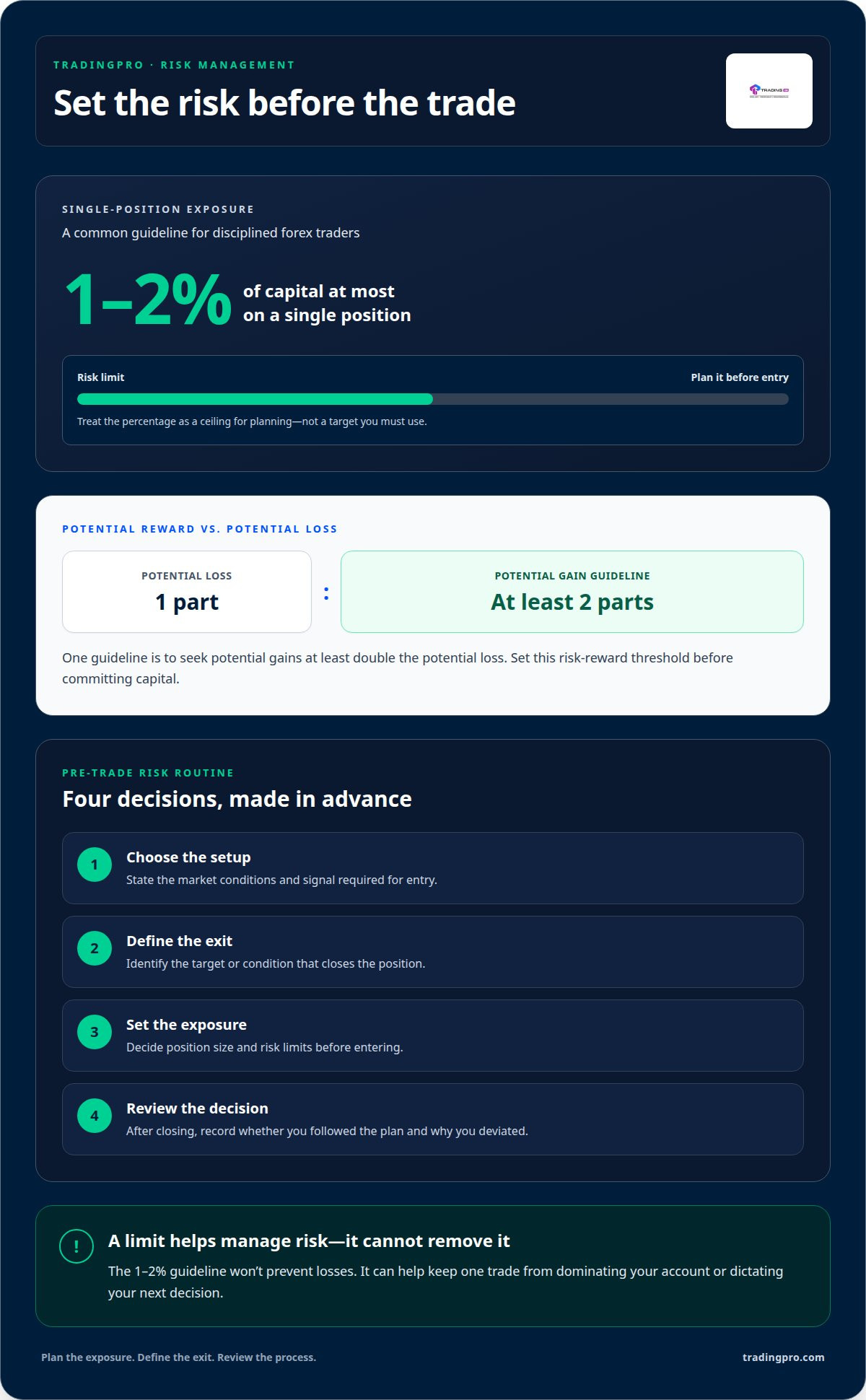
To create and follow a trading plan, write down your entry and exit strategies, risk management rules, and position sizes. Before each trade, compare the setup with those rules. Afterward, record whether you followed them and why.
- Choose a setup: State the market conditions and signal required for entry.
- Define the exit: Identify the target or condition that closes the position.
- Set the exposure: Decide position size and risk limits before entry.
- Review the decision: Record any deviation and its reason after closing.
Consistent execution means applying these steps when conditions match, not forcing a trade when they don’t. Suppose your strategy needs confirmation from a moving average and volume analysis. If volume doesn’t support the setup, wait instead of entering just because the price is moving quickly. This keeps urgency from overriding your rules.
Markets change, so review your strategy as conditions shift. A trend-following approach may produce different signals in a sideways market. Define what market evidence would justify a review, then assess performance across a meaningful set of trades. Adjust the strategy deliberately, documenting what changed and why, rather than rewriting rules after one disappointing result.
Keep long-term financial objectives separate from the outcome of an individual position. A preset target can help you scale out of a position, while changing goals may be appropriate when market conditions shift. Emotional control means making that adjustment through analysis, not fear or excitement. For a practical way to put a planned approach into action, you can start setting up your trading account.
3. Risk management and capital preservation
Risk management starts before a position opens: decide how much capital you could lose, then size the trade accordingly. A common guideline for disciplined forex traders is to expose no more than 1-2% of capital on a single position. This limit doesn’t make a trade safe, but it helps prevent one loss from dominating your account. Treat the percentage as a ceiling for planning, not a target you must use.
Set a risk-reward threshold before committing capital. One guideline is to seek potential gains at least double the potential loss. A 3:1 risk-reward ratio means risking $100 for the potential to earn $300. Those figures describe possible outcomes, not a promise of profit. Assess whether the exit level and market conditions support the planned reward before entering.
Protect your plan through both winning and losing streaks. After several wins, overconfidence can encourage larger positions or weaker setups. Keep position sizing tied to your predetermined risk limit. After losses, don’t increase exposure to recover quickly. Assess each new setup on its own criteria, and pause trading if frustration makes you want to abandon your rules.
To avoid overtrading and revenge trading, require every entry to meet your written setup. If you feel driven to win back a loss, stop and take a planned pause. This gives you space to review the decision instead of placing another position under pressure.
Fear and greed can distort risk decisions in opposite ways. Fear may prompt an early exit before the planned condition is met; greed may keep a losing position open or push you beyond a target. Write down the acceptable loss and exit conditions before entry. Then compare the live position with those conditions, rather than letting a changing balance dictate each move.
Manage losses as part of a series, not as a verdict on your ability. Approximately 70-80% of retail forex traders lose money, so capital preservation deserves priority over chasing every move. After a losing trade, record whether the entry followed your strategy, whether the position matched its risk limit, and whether the exit followed the plan. Separate a rule-following loss from a preventable mistake.
Keep the risks of different trading methods in view. Trading on margin can lead to losses greater than the initial investment, while short selling can involve potentially unlimited losses. Options can expose investors to significant losses and aren’t suitable for everyone. Securities trading also carries the risk of losing funds. Match each position to your risk capacity, and don’t treat a small planned loss as protection against every market outcome.
Capital preservation also means reviewing exposure across open positions, not just one trade at a time. If several positions depend on the same market move, their losses could build together. Before adding a position, consider how it changes your total exposure. Discipline in trading is key here: maintain risk limits through winning runs, losing streaks, and changing market conditions.
4. Using stop-loss and trailing-stop orders
A stop-loss order is an instruction to close a trade at a predetermined loss threshold. Set that threshold before entering, based on the point where your trade idea no longer holds. For example, if your planned entry depends on a price pattern staying intact, place the stop where that pattern is invalidated. This gives the decision a clear basis beyond discomfort during a temporary price move.
Stop-loss placement should reflect the setup and position size. First, identify the level that would show your analysis is wrong. Next, assess how much capital the distance to that level puts at risk. If the planned stop makes the position too large for your risk limit, reduce the position size or skip the trade. Don’t move the stop farther away just to avoid accepting a planned loss.
Volatility matters. A stop placed close to the market price may be reached during ordinary price movement, while a distant stop can expose more capital. Consider the instrument’s recent movement and the pattern behind your entry. The aim isn’t to find a perfect distance, but to make the stop consistent with the trade’s logic and acceptable risk.
A trailing-stop order can follow a position as the market moves favorably, helping manage an exit without repeatedly reacting to each price change. Decide how it fits your plan before entry. For example, as a position advances, the order can adjust according to its settings; if the market reverses enough to reach the stop, it can close the trade. It doesn’t remove market risk or guarantee a particular result.
Set a daily loss limit as a separate boundary for your trading session. Choose the limit in advance, then stop opening positions when your losses reach it. The limit should reflect your overall risk plan, not a number chosen during a losing streak. This rule can prevent a difficult session from turning into repeated attempts to recover losses.
Use a short pre-trade sequence: confirm the setup, identify the invalidation point, calculate position size, then place the stop. After entry, avoid widening the stop out of fear. If market volatility changes or the original setup no longer applies, follow your exit rules instead of improvising. The order supports your plan, but it can’t replace sound analysis.
Stops can support emotional resilience after both wins and losses. A trader who sees a position rise may use a trailing stop rather than abandon the exit plan through overconfidence. A trader facing a losing position can let the predefined threshold govern the exit. Review each triggered stop alongside the chart patterns and original reasoning, then adjust the strategy only when repeated evidence supports a change.
5. Trading discipline
Trading discipline shows in the decisions between entries, not just in the trading plan itself. You may have clear rules yet abandon them after a recent loss or a fast price move. Treat each decision as a choice to follow, pause, or formally revise a rule. That distinction helps prevent an impulsive reaction from becoming your new strategy.
Build a repeatable routine around each trading session. Before opening a position, review the setup conditions and check whether the market meets them. During the trade, avoid changing the plan without a reason based on market evidence. After closing, record the result and whether you followed the process. A simple routine makes discipline observable, not just an intention.
Patience also means accepting that not trading is a valid decision. If a setup lacks its required signal, wait instead of inventing a reason to enter. For example, a trader expecting a candlestick pattern can stand aside when it hasn’t formed. This protects the strategy from pressure to stay constantly active, even when a market move looks exciting.
Measure execution separately from profit. A profitable outcome can follow a poor decision, while a trade that follows the plan can still lose. In a journal, mark whether the entry matched the setup, whether the exit followed the rule, and what influenced any deviation. Reviewing trade reports alongside those notes can help identify repeated behaviors, such as chasing moves or closing positions too early.
Make your review specific. Group journal entries by setup, reason for entry, and quality of execution. Then look for recurring evidence across trades instead of changing your approach after one result. If several entries show that you ignored a confirmation signal, strengthen that checkpoint. If you followed the strategy but conditions changed, assess whether a deliberate adjustment is justified.
Emotional control needs a practical trigger. When fear, excitement, or frustration appears, pause before placing or changing an order. Re-read the relevant rule and write down the market evidence supporting your next action. If the evidence doesn’t meet the plan, wait. This brief interruption lets you choose deliberately instead of letting a recent win or loss direct your next trade.
Keep the goal focused on consistent decisions, not a promise of consistent profits. Track whether you followed your process, protected your limits, and learned from each review. Over time, that record can show which habits support your strategy and which undermine it. This is why discipline in trading is key: it links planning to repeatable action. Register and put your trading approach into practice.
TradingPRO: Social Trading / Copy Trading
TradingPRO offers Social Trading / Copy Trading, enabling users to replicate strategies from successful traders. This can help you observe different approaches and consider how they align with your trading goals. Copying a strategy doesn’t replace your responsibility to understand the decisions, maintain risk limits, and choose an approach suited to your financial circumstances. Apply the same discipline as with any trade: assess the strategy, define your boundaries, and review how it fits your plan. If you’re considering Social Trading / Copy Trading, contact TradingPRO to discuss the next step.
Make your next trading decision deliberate
Your next step is to turn your trading principles into a routine you can sustain. Choose one process to strengthen first, such as waiting for a setup or reviewing decisions after each session. Apply it consistently, then use your records to decide what to focus on next. Discipline in trading is key to making those choices intentionally, rather than letting a market move set your direction.
TradingPRO offers Rookie, Micro, and Pro Accounts, giving you options to consider as you shape your trading approach. Choose the path that fits your goals and keep risk decisions in your hands. Trading carries risk, so focus on building sound habits and learning from each decision rather than expecting a particular outcome.
Take the next step with TradingPRO and move forward with purpose.
Frequently Asked Questions
How to Trade with Patience?
Trade patiently by deciding what must happen before you enter, then wait for those conditions. For example, if your analysis depends on a breakout holding above a level, don’t enter while the price is still testing it. Use a watchlist to note promising markets without treating every movement as an opportunity. If the setup doesn’t appear, leaving the trade alone is an active decision that protects your attention and plan.
What Does Consistent Profitability Look Like?
Consistent profitability means evaluating performance across a series of trades, not judging skill by one winning position. Track whether results come from repeatable setups and whether losses stay within your risk limits. For example, a run of profitable trades may still hide poor decisions if position sizes keep changing. Review net outcomes alongside execution quality, and treat fluctuations as information rather than proof that a method always works.
What could be considered as the Right Trading Mindset?
The right mindset pairs curiosity with restraint: prepare a view, act only when your criteria are met, and stay open to evidence that challenges your view. If the market moves against your expectation, reassess the reason for the position rather than defending it automatically. Focus on decisions you control, such as timing and exposure. This mindset helps prevent confidence from becoming certainty.
What is Trading Discipline?
Trading discipline means making decisions according to chosen rules instead of momentary pressure. It shows in small actions: waiting through a quiet session, declining a setup that lacks confirmation, or closing a position when its rationale no longer holds. Assess your discipline by comparing actual actions with your intended process. The goal is consistent decision-making, not emotional perfection or a winning result on every trade.
What trading rules help build discipline?
Useful rules make decisions clear before market pressure arrives. Specify which conditions qualify a trade, what would invalidate the idea, and when you’ll stop for the session. Add a rule against adding to a losing position. For example, require a fresh setup before entering again after an exit. Keep rules brief enough to review quickly, and revise them only after a deliberate review of your trading records.
How can traders control emotions like fear and greed?
Control fear and greed by interrupting the impulse before changing a position. Pause, identify what you’re feeling, and write down the market evidence behind the action you’re considering. If fear urges an early exit, compare current conditions with your exit criteria. If greed pushes you to hold beyond your intended target, consider whether the original trade idea still supports that choice. This creates a deliberate decision point.
What risk management rules should disciplined traders use?
Disciplined traders set limits for individual positions and total exposure before placing trades. They also account for related positions that could lose together, rather than assessing each in isolation. Decide in advance what conditions require reducing exposure or stopping for the session. Don’t let recent profits inflate your confidence when sizing a new trade. These rules help keep risk decisions consistent as market conditions and account results change.
How can traders set stop-loss and take-profit levels consistently?
Set both levels according to the trade’s logic before entering. Place the stop where the setup would no longer be valid, then choose a take-profit level that reflects a plausible market objective and your planned reward relative to risk. If the distance between those levels makes the position unsuitable, adjust its size or pass. Record your reasoning so later reviews can distinguish a sound plan from a change driven by the result.


